
Wednesday, August 18, 2010
Moving Out
Hey everybody. Exciting news! I've registered my own domain, and Ben Cooks Everything has moved from this humble blogspot home to the brand new bencookseverything.com. Go check it out.


Monday, July 26, 2010
Summer Pasta: Raw Tomato Sauce
One of my favorite dishes for tomato season, which is glorious full swing here in New York, is Pamela Sherrid's Summer Pasta, which I have been making since I read about it in 2007 in a Times article by Amanda Hesser.
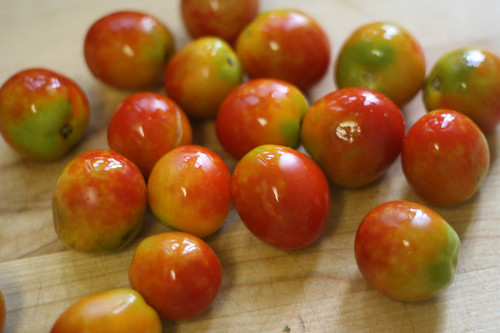
It's a leisurely recipe that involves steeping garlic and basil all day, then adding chopped tomatoes a couple hours before serving. You cook a bag of pasta, strain it and throw in on top of the raw tomato sauce, and then top the pasta with cubed mozzarella. It all gets tossed together to form the perfect combination of hot pasta and pasta salad, but it's not worth making unless the tomatoes are ripe and in season.
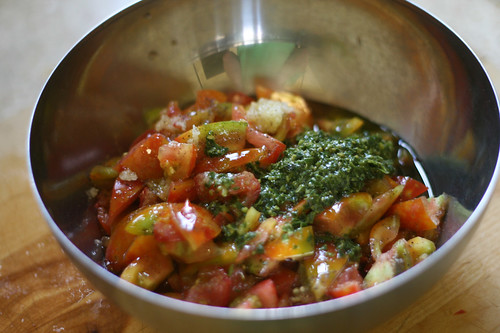
Bittman's got a similar recipe in How to Cook Everything for Raw Tomato Sauce, but it takes far less time: you basically mash together all of the ingredients, then top it with pasta. Mozzarella isn't in his recipe, though it is in a list following the recipe of suggested add-ins. I goofed and forgot to get fresh basil at the market, so I used pesto from Russo's on 11th Street in the East Village--by far the best storebought pesto around. The tomatoes, green-orange-red cherry tomatoes from Lani's Farm at the Union Square Greenmarket, made the dish. I added a healthy amount of parmesan cheese for good measure.
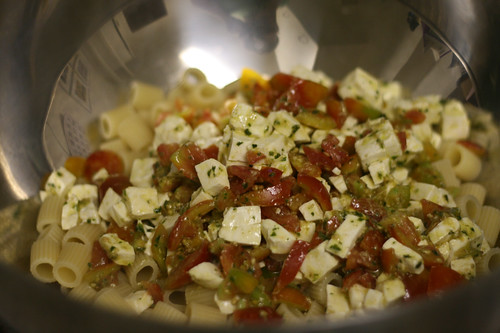
Honestly, both of these are great summertime pasta dishes, and it would be very hard to go wrong with either of them. Sherrid's recipe can be made last minute, and Bittman's could be made well in advance if you liked. Either way, the unfuckwithable combination of basil, tomato and mozzarella shines. With tomatoes like the ones we're seeing at the Greenmarket of late, you can't go wrong.
Recipe Redux: Pamela Sherrid's Summer Pasta [nytimes]
It's a leisurely recipe that involves steeping garlic and basil all day, then adding chopped tomatoes a couple hours before serving. You cook a bag of pasta, strain it and throw in on top of the raw tomato sauce, and then top the pasta with cubed mozzarella. It all gets tossed together to form the perfect combination of hot pasta and pasta salad, but it's not worth making unless the tomatoes are ripe and in season.
Bittman's got a similar recipe in How to Cook Everything for Raw Tomato Sauce, but it takes far less time: you basically mash together all of the ingredients, then top it with pasta. Mozzarella isn't in his recipe, though it is in a list following the recipe of suggested add-ins. I goofed and forgot to get fresh basil at the market, so I used pesto from Russo's on 11th Street in the East Village--by far the best storebought pesto around. The tomatoes, green-orange-red cherry tomatoes from Lani's Farm at the Union Square Greenmarket, made the dish. I added a healthy amount of parmesan cheese for good measure.
Honestly, both of these are great summertime pasta dishes, and it would be very hard to go wrong with either of them. Sherrid's recipe can be made last minute, and Bittman's could be made well in advance if you liked. Either way, the unfuckwithable combination of basil, tomato and mozzarella shines. With tomatoes like the ones we're seeing at the Greenmarket of late, you can't go wrong.
Recipe Redux: Pamela Sherrid's Summer Pasta [nytimes]
Monday, July 19, 2010
Slog Much?: Compound Butter
Have you guys been following the slog (a combination of 'salon' and 'blog,' oh brother) over at the recently relaunched bittman.com? It's quite good, kind of like the blog that I always hoped the now defunct Bitten blog at the NYTimes site would be. In addition to regular posts from the man himself, there's a rotating cast of bloggers writing about recipes, cooking methods, politics of food, and everything in between. Included in this stable is Cathy Erway of Not Eating Out In NY and lately of Lunch at Sixpoint, who recently wrote about making herb butter, the best way (after pesto) of preserving fresh herbs in your freezer.
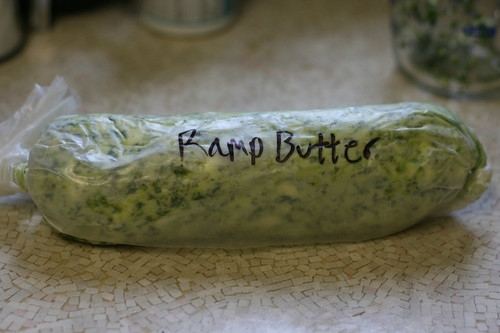
Which reminded me, I made ramp butter at the end of ramp season last month, looking to extend the rampiness a bit longer. Then I completely forgot to blog about it. This tends to happen a lot. Compound Butter is one of the simplest recipes in the book, and its ratio of ease of making to impressing your friends is astronomical. Cathy goes into more detail than this over at the slog (really guys, you may want to consider slog, slog does not sound like a fun place to visit on the internet), but basically: let butter soften, finely chop any herbs you like (or a combination), mash together, form into a log and use or freeze. Lemon juice is optional (I skipped it) and salt and pepper are too, though those I used. That's it.

"It's best used as a finishing ingredient in sauces and also on grilled or broiled meats and vegetables," Bittman writes in Everything. Then he gives a list of "15 Easy Flavorings for Compound Butter" (ginger, scallions, capers, peach or plum, olives, chiles, spices, etc.) and "6 Almost-As-Easy Flavorings for Compound Butter" (roasted garlic, sauteed shallots, crispy bacon). So really, anything you want.
Wait, did he say crispy bacon?
Spicing Up Butter--With Herbs [bittman]
Which reminded me, I made ramp butter at the end of ramp season last month, looking to extend the rampiness a bit longer. Then I completely forgot to blog about it. This tends to happen a lot. Compound Butter is one of the simplest recipes in the book, and its ratio of ease of making to impressing your friends is astronomical. Cathy goes into more detail than this over at the slog (really guys, you may want to consider slog, slog does not sound like a fun place to visit on the internet), but basically: let butter soften, finely chop any herbs you like (or a combination), mash together, form into a log and use or freeze. Lemon juice is optional (I skipped it) and salt and pepper are too, though those I used. That's it.
"It's best used as a finishing ingredient in sauces and also on grilled or broiled meats and vegetables," Bittman writes in Everything. Then he gives a list of "15 Easy Flavorings for Compound Butter" (ginger, scallions, capers, peach or plum, olives, chiles, spices, etc.) and "6 Almost-As-Easy Flavorings for Compound Butter" (roasted garlic, sauteed shallots, crispy bacon). So really, anything you want.
Wait, did he say crispy bacon?
Spicing Up Butter--With Herbs [bittman]
Thursday, July 15, 2010
Out of the City: Grilled Lobsters
Remember last year when I went to New Hampshire with Melanie to stay with her mother and aunt? No? Well, it happened. Mel's mom Donna made an incredible brisket, and I made a couple salads from How to Cook Everything, and it was just one of the most relaxing weekends and delicious meals of my life. Last weekend we returned, and on Saturday night Donna turned the kitchen, and the grill, over to the kids.
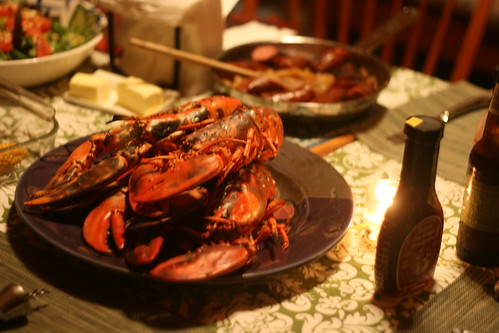
So we drove from Londonderry, where Melanie's mom's place is, just over the Maine border to Chauncey's, a lobster pound and seafood shack straight out of my dreams. While we were there, we stopped for a dozen oysters, some steamers, clam chowder and steamed mussels. An ideal snack. Everything was beyond delicious. The picnic tables are BYOB, as well as BYO Whatever Else You Might Want. Seriously. As long as they don't sell it at Chauncey's you can bring it in. People had cheese plates, wine, you name it. One table had a tablecloth and candles (it was pretty classy). Everything we ate was incredible, magical even. Nothing makes me happier than a big bowl of steamers, and these were phenomenal. On the way out, we grabbed five little lobsters for dinner. Chauncey's food porn:
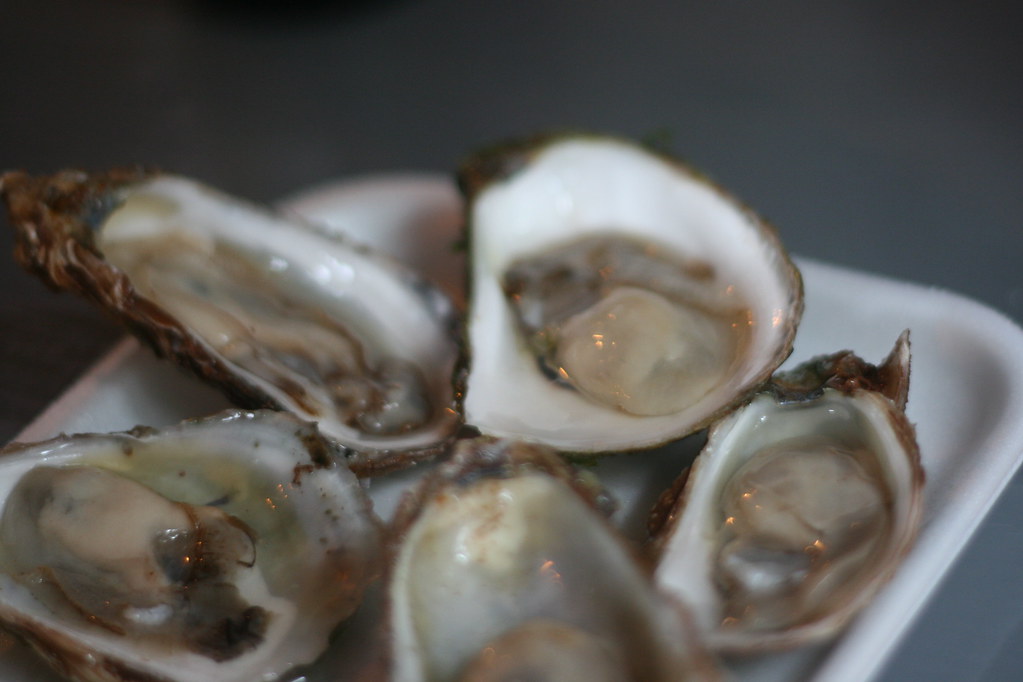
Now, Grilled Lobster is in How to Cook Everything, but Bittman doesn't sound to jazzed on the idea. "As for other cooking methods, grilling, stir-frying, roasting and broiling are all good options (but you have to be bored with steaming or broiling to bother)." Thanks Negative Nancy. We were grill happy, and damn if we weren't going to grill those suckers.
Basically, you just kill them and throw them on the grill. They take about 10 minutes, turned once, and they're good to go. Grilling gives a nice flavor, but I see Bittman's point: boiling is pretty foolproof, and the grilling didn't add so much flavor that I was completely blown away (which is not to say these suckers weren't some of the best lobster I've ever had, because really, they were). It's not much more impressive, though it can be more fun. We also feasted on Bittman's No Mayo Cole Slaw (which I made for the first time in NH last year), a smoked country sausage that I acquired on my recent trip to New Orleans at Butcher, Donald Link's butcher shop (there are no words for how incredible this sausage tastes, NO WORDS), grilled corn, a green salad, and hot dogs from Flying Pigs Farm, which while not eclipsing Hebrew National as my One True Hot Dog, come pretty damn close. It was a memorable meal to say the least.
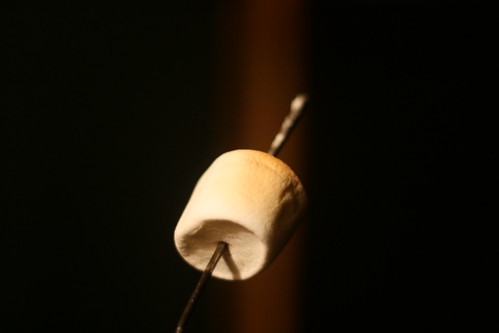
Then we roasted marshmallows.
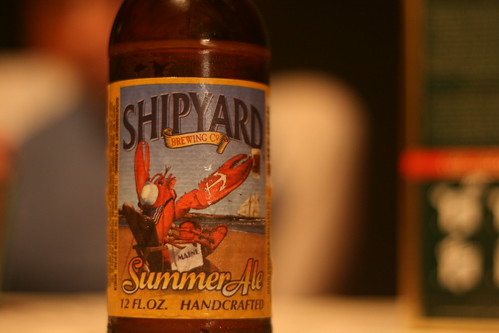
Then we drank a ton of these. They're delicious.
Then we had to go home. Thanks Donna and Lynne for being such gracious hosts, and letting me go wild in your kitchen. I hope I don't have to wait another year to do it again!
So we drove from Londonderry, where Melanie's mom's place is, just over the Maine border to Chauncey's, a lobster pound and seafood shack straight out of my dreams. While we were there, we stopped for a dozen oysters, some steamers, clam chowder and steamed mussels. An ideal snack. Everything was beyond delicious. The picnic tables are BYOB, as well as BYO Whatever Else You Might Want. Seriously. As long as they don't sell it at Chauncey's you can bring it in. People had cheese plates, wine, you name it. One table had a tablecloth and candles (it was pretty classy). Everything we ate was incredible, magical even. Nothing makes me happier than a big bowl of steamers, and these were phenomenal. On the way out, we grabbed five little lobsters for dinner. Chauncey's food porn:
Now, Grilled Lobster is in How to Cook Everything, but Bittman doesn't sound to jazzed on the idea. "As for other cooking methods, grilling, stir-frying, roasting and broiling are all good options (but you have to be bored with steaming or broiling to bother)." Thanks Negative Nancy. We were grill happy, and damn if we weren't going to grill those suckers.
Basically, you just kill them and throw them on the grill. They take about 10 minutes, turned once, and they're good to go. Grilling gives a nice flavor, but I see Bittman's point: boiling is pretty foolproof, and the grilling didn't add so much flavor that I was completely blown away (which is not to say these suckers weren't some of the best lobster I've ever had, because really, they were). It's not much more impressive, though it can be more fun. We also feasted on Bittman's No Mayo Cole Slaw (which I made for the first time in NH last year), a smoked country sausage that I acquired on my recent trip to New Orleans at Butcher, Donald Link's butcher shop (there are no words for how incredible this sausage tastes, NO WORDS), grilled corn, a green salad, and hot dogs from Flying Pigs Farm, which while not eclipsing Hebrew National as my One True Hot Dog, come pretty damn close. It was a memorable meal to say the least.
Then we roasted marshmallows.
Then we drank a ton of these. They're delicious.
Then we had to go home. Thanks Donna and Lynne for being such gracious hosts, and letting me go wild in your kitchen. I hope I don't have to wait another year to do it again!
Wednesday, July 14, 2010
Porky Pasta: Andrea's Pasta with Pork Ribs
When my friend Jen asked me a few months ago if I wanted to go in on a CSA share from the Piggery, a pork farm near Ithaca, NY, I couldn't say yes fast enough. Weekly deliveries of pork, charcuterie, bacon, cooking lard,* and who knows what else? Yes, yes, a thousand times yes.
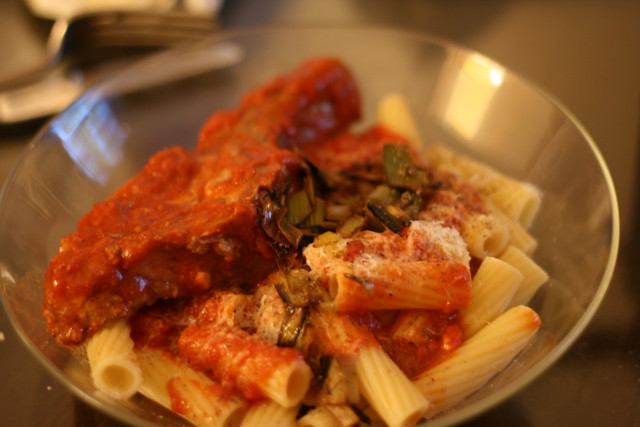
This week was my turn to take home our CSA box, and we got five country ribs. I don't know much about country ribs, but these had a ton of meat (and a fair amount of fat), almost like a rib steak. I had nothing else to make for dinner, really, so it was rib night!
Thing is, most rib recipes involve a low and slow approach, calling for at least three hours in a low oven. It was already 7 when I got home, so that was out of the question. Luckily Bittman's got a recipe in How to Cook Everything where you brown the ribs with some garlic, then add a big can of tomatoes and simmer them for about an hour. Make a pot of pasta and you've stretched four or five ribs much further than they would've otherwise gone. Everyone gets some pasta, sauce, and a rib to gnaw on.
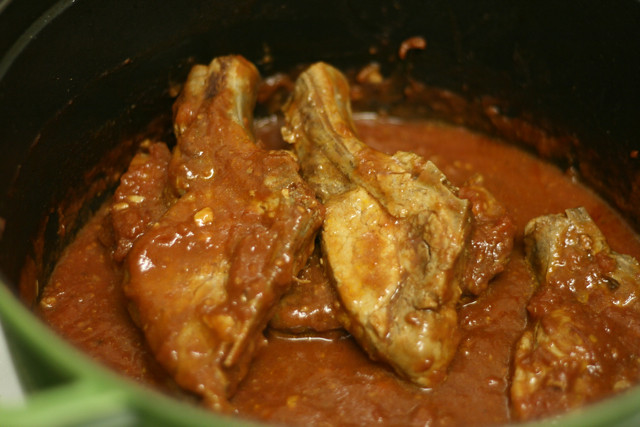
I may have had the heat too high, or maybe this recipe doesn't work as well with country ribs, because the meat ended up a bit on the tough side. It wasn't inedible, far from it: this meat we're getting from the Piggery really is top notch, and it'd take a seriously misguided cook to mess it up that badly. The surprise star of this recipe was the tomato sauce that went on the pasta: after simmering for an hour with those ribs, it took on a luscious porky flavor that was so good, I found myself eating the excess sauce out of my brother's bowl. Why waste it?
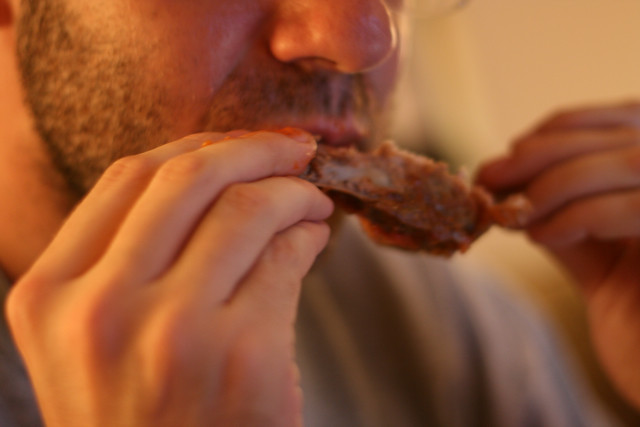
In any case, how many pasta recipes do you know that end like this? This is one that I'll definitely make again; it's just barely harder than pasta with tomato sauce, but it's way more special. On top of that, it's a great way to get a lot of mileage out of not too many ribs.
*I feel weird having so much lard in the house. What do do with it? Will it kill me? Suggestions appreciated.
This week was my turn to take home our CSA box, and we got five country ribs. I don't know much about country ribs, but these had a ton of meat (and a fair amount of fat), almost like a rib steak. I had nothing else to make for dinner, really, so it was rib night!
Thing is, most rib recipes involve a low and slow approach, calling for at least three hours in a low oven. It was already 7 when I got home, so that was out of the question. Luckily Bittman's got a recipe in How to Cook Everything where you brown the ribs with some garlic, then add a big can of tomatoes and simmer them for about an hour. Make a pot of pasta and you've stretched four or five ribs much further than they would've otherwise gone. Everyone gets some pasta, sauce, and a rib to gnaw on.
I may have had the heat too high, or maybe this recipe doesn't work as well with country ribs, because the meat ended up a bit on the tough side. It wasn't inedible, far from it: this meat we're getting from the Piggery really is top notch, and it'd take a seriously misguided cook to mess it up that badly. The surprise star of this recipe was the tomato sauce that went on the pasta: after simmering for an hour with those ribs, it took on a luscious porky flavor that was so good, I found myself eating the excess sauce out of my brother's bowl. Why waste it?
In any case, how many pasta recipes do you know that end like this? This is one that I'll definitely make again; it's just barely harder than pasta with tomato sauce, but it's way more special. On top of that, it's a great way to get a lot of mileage out of not too many ribs.
*I feel weird having so much lard in the house. What do do with it? Will it kill me? Suggestions appreciated.
Wednesday, July 7, 2010
Last night on The Real World
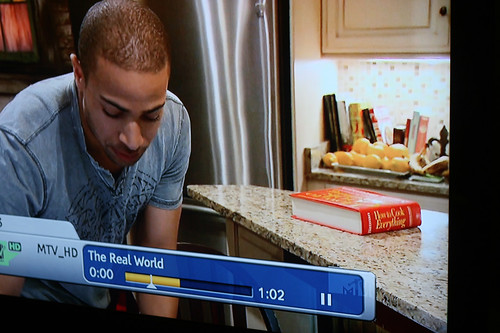
Last night on The Real World, while some dumb kids said really stupid things to one another, the BEST THING EVER HAPPENED.
Friday, July 2, 2010
I'm going to be on All Things Considered.
Just a quick note to let you all know that I was interviewed for this week's Last Chance Foods segment on WNYC's All Things Considered. I chatted with Amy Eddings about July 4th, the patriotism of eating locally and what's in season at the market, as well as a red, white and blue recipe for Queso Fresco Salsa with Blue Corn Chips (I made it for taco night here). You can see the writeup of the segment on WNYC's Culture page here, and listen to the piece tonight on WNYC, 93.9 FM or AM 820 if you're in the greater New York area, or on WNYC's live web stream here (I'm told it should air at about 5:40pm). The audio from the piece should be up on the website after it airs this evening.
Patriotic Eating: Beyond Red, White and Blueberries [wnyc culture]
Patriotic Eating: Beyond Red, White and Blueberries [wnyc culture]
Subscribe to:
Posts (Atom)